Instructions
- Place the peeled and quartered potatoes in a large pot and cover with cold water. Add a pinch of salt to the water.
- Bring the water to a boil over high heat, then reduce heat to medium and simmer for 15-20 minutes, or until the potatoes are fork-tender. A fork should easily slide into the center of a potato.
- While the potatoes are cooking, warm the heavy cream and milk in a small saucepan over low heat. Do not boil. This step is crucial for preventing the potatoes from becoming gluey.
- Drain the potatoes thoroughly in a colander. Return the potatoes to the pot.
- Add 2 tablespoons of butter to the potatoes. Using a potato masher or a ricer, mash the potatoes until they are mostly smooth. Be careful not to over-mash, as this can lead to a gummy texture.
- Add the softened cream cheese to the potatoes. Continue mashing until the cream cheese is fully incorporated and the potatoes are smooth and creamy.
- Gradually add the warm heavy cream and milk mixture to the potatoes, mixing until the desired consistency is reached.
- Stir in the salt and pepper, adjusting to taste.
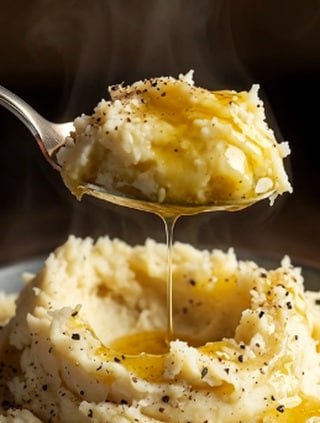
- Melt the remaining 2 tablespoons of butter. Drizzle the melted butter over the mashed potatoes before serving.
- Serve hot and enjoy the creamy, dreamy goodness!
Cooking Tips and Variations
To achieve the ultimate creamy mashed potatoes, consider these tips and variations:
- Potato Choice: Yukon Gold potatoes are recommended for their naturally creamy texture and slightly sweet flavor. Russet potatoes can also be used, but they tend to be starchier and may require more liquid to achieve the desired consistency. If using Russets, be extra careful not to over-mash them.
- Even Cooking: Ensure that the potatoes are cut into uniform sizes to promote even cooking. This will prevent some potatoes from being overcooked while others are still undercooked.
- Don’t Overcook: Overcooked potatoes absorb too much water, resulting in a watery and bland mash. Cook the potatoes until they are fork-tender but not mushy.
- Warm Dairy is Key: Warming the heavy cream and milk before adding it to the potatoes is essential for maintaining their temperature and preventing them from becoming gluey. Cold dairy can cause the potatoes to seize up and become dense.
- Gentle Mashing: Avoid over-mashing the potatoes, as this releases too much starch and leads to a gummy texture. Use a potato masher or a ricer and mash until just smooth.
- Cream Cheese Magic: The secret ingredient, cream cheese, adds a subtle tang and incredible creaminess to the mashed potatoes. Make sure the cream cheese is softened before adding it to the potatoes for easy incorporation.
- Flavor Variations: Get creative with flavor additions! Roasted garlic, fresh herbs (such as rosemary, thyme, or chives), grated Parmesan cheese, or even a touch of Dijon mustard can elevate the flavor of your mashed potatoes.
- Brown Butter Bliss: For a nutty and rich flavor, brown the butter before adding it to the potatoes. Be careful not to burn the butter.
- Sour Cream Substitute: If you don’t have cream cheese, sour cream can be used as a substitute. Add it in small increments, tasting as you go, to achieve the desired tanginess.
- Roasted Garlic Infusion: Roast a head of garlic until soft and caramelized. Squeeze the roasted garlic cloves into the mashed potatoes for a sweet and savory flavor.
- Herbaceous Delight: Add finely chopped fresh herbs, such as rosemary, thyme, or chives, to the mashed potatoes for a burst of freshness.
- Cheesy Goodness: Stir in grated cheddar cheese, Gruyere cheese, or Parmesan cheese for a cheesy and comforting twist.
- Spicy Kick: Add a pinch of red pepper flakes or a dash of hot sauce for a spicy kick.
- Truffle Indulgence: For a luxurious experience, drizzle truffle oil over the mashed potatoes before serving.
- Serving Temperature: Serve the mashed potatoes hot for the best flavor and texture. They tend to lose their creaminess as they cool down.
Storage and Reheating
To store leftover mashed potatoes, allow them to cool completely before transferring them to an airtight container. Store in the refrigerator for up to 3-4 days.
To reheat mashed potatoes, there are several methods you can use:
- Microwave: Place the mashed potatoes in a microwave-safe dish and microwave on medium power for 1-2 minutes, stirring occasionally, until heated through. Add a splash of milk or cream if needed to restore creaminess.
- Stovetop: Place the mashed potatoes in a saucepan over low heat. Add a splash of milk or cream and stir frequently until heated through.
- Oven: Preheat the oven to 350°F (175°C). Place the mashed potatoes in an oven-safe dish, cover with foil, and bake for 15-20 minutes, or until heated through. Add a splash of milk or cream if needed to restore creaminess.
Note: Reheated mashed potatoes may not be as creamy as freshly made mashed potatoes, but they will still be delicious.
Frequently Asked Questions
Why are my mashed potatoes gummy?
Gummy mashed potatoes are usually caused by over-mashing, which releases too much starch from the potatoes. To avoid this, use a potato masher or ricer and mash the potatoes until just smooth. Avoid using a blender or food processor, as these can easily over-mash the potatoes.
Can I make mashed potatoes ahead of time?
Yes, you can make mashed potatoes ahead of time. Prepare the mashed potatoes as directed, then transfer them to an oven-safe dish, cover with foil, and refrigerate for up to 24 hours. Before serving, reheat in the oven at 350°F (175°C) for 15-20 minutes, or until heated through. Add a splash of milk or cream if needed to restore creaminess.
What kind of potatoes are best for mashed potatoes?
Yukon Gold potatoes are generally considered the best choice for mashed potatoes due to their naturally creamy texture and slightly sweet flavor. Russet potatoes can also be used, but they tend to be starchier and may require more liquid to achieve the desired consistency.
Can I freeze mashed potatoes?
While it’s possible to freeze mashed potatoes, the texture may change slightly upon thawing. To freeze mashed potatoes, allow them to cool completely before transferring them to a freezer-safe container. Thaw in the refrigerator overnight before reheating.